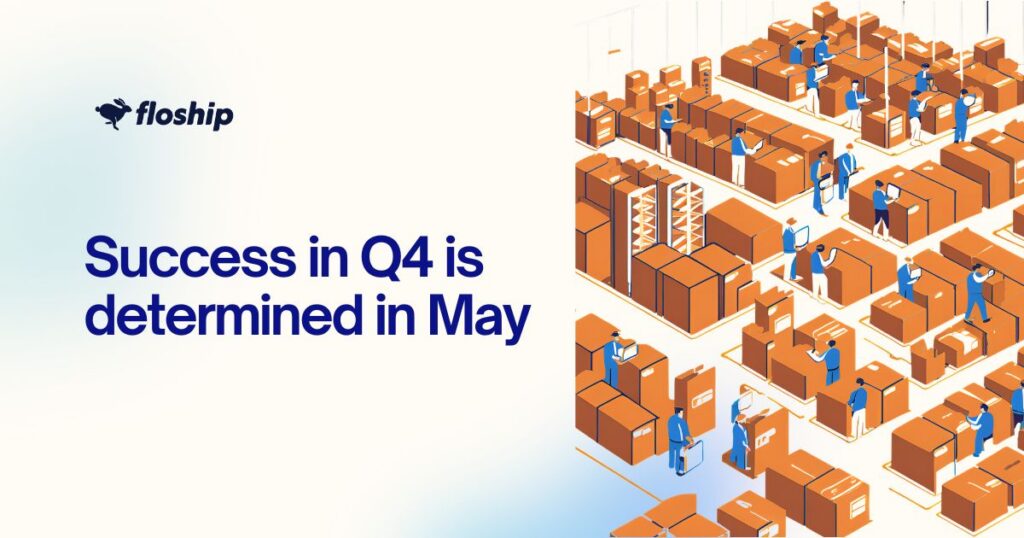
When optimizing your peak season logistics, it is easy to become consumed by the immediate high-velocity world of e-commerce: daily order volumes, shifting ad spend, and the mid-year sales cycle. However, experience shows that the most resilient global brands utilize the month of May as a critical “strategy window.” This is the moment to transition from reactive operations to proactive infrastructure, ensuring your brand is prepared for the inevitable surge of the second half of the year.
By aligning your logistics strategy now, you aren’t just moving boxes; you are engineering a foundation for effortless scale. Here is how a strategic May partnership with Floship transforms your operational trajectory.
1. Global Expansion, Decoupled from Complexity
Entering the US or EU markets is a defining milestone, yet the administrative “moat” has never been wider. Rather than losing months to the friction of international tax registration and business licensing, sophisticated brands leverage Floship’s Importer of Record (IOR) and Merchant of Record (MOR) services.
We act as your local anchor, assuming the legalities of tax compliance and customs entry so you can go live immediately. Initiating this process in May ensures you are fully operational and “local” before the global shopping calendar hits its peak.
2. Proximity: The Architecture of Consistent Margins
Stabilizing your bottom line is a matter of geographic agility. By strategically leveraging our 26+ global fulfillment centers, you can position your inventory to optimize fulfillment costs well ahead of the November peak season.
True proximity isn’t about locking all your stock into a single destination where it risks sitting unsold. Instead, it is a flexible, balanced strategy: placing high-demand inventory directly in-market for rapid fulfillment while utilizing regional, cross-border hubs closer to production to fluidly route products exactly where they are needed.
By balancing local positioning with agile cross-border routing, you eliminate the risk of stagnant inventory while ensuring your shipping remains fast, predictable, and highly profitable.
3. Circularity as a Competitive Standard
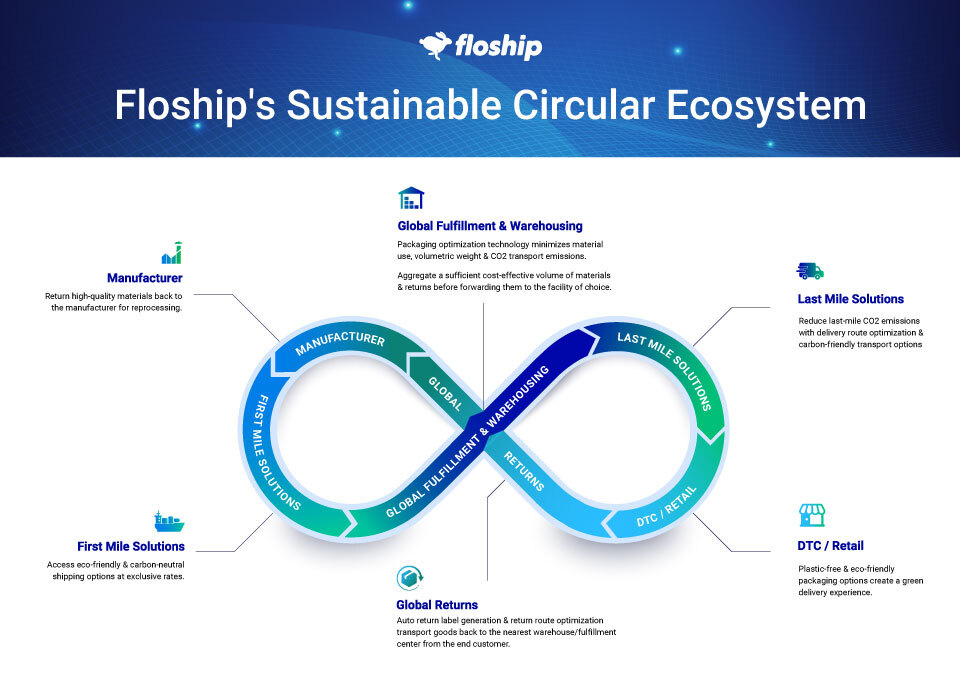
Logistics in 2026 is defined by systemic integration, not fragmented silos. Floship’s Circular Supply Chain model is engineered to build an all-inclusive ecosystem where every moving part of your business effortlessly connects. May provides the ideal operational window to audit your existing workflows, optimize your routing, and bridge the traditional gaps between your suppliers, warehouses, and end customers.
True circularity means creating a unified environment where data and inventory flow seamlessly across your entire network. By bringing all the loose pieces of your operational workflow into a single, cohesive ecosystem, you eliminate friction, prevent communication blind spots, and drastically reduce operational lag. This comprehensive integration ensures your supply chain moves as a single, agile unit—maximizing velocity, safeguarding your margins, and delivering a flawless experience from the factory floor to the customer’s doorstep.
5. Returns as Revenue Recovery, Not Cost Centre
Returns are frequently managed as a necessary expense, a cost to minimize through deterrence rather than a process to optimize for value recovery. This framing costs brands significantly, both in direct costs and in the customer lifetime value that a poor returns experience destroys.
The more productive frame: returns are an inventory recovery challenge with a logistics solution. The question isn’t whether customers will return products—they will—but whether those products travel intelligently back into the supply chain and whether the customer experience during that process strengthens or weakens brand loyalty.
Floship’s automated returns infrastructure addresses this at both ends. Auto-generated return labels and intelligent return routing ensure that goods move via the most cost-efficient path — either consolidated domestically before returning to origin or routed directly back to the nearest warehouse for restocking. SOP-based grading and quality inspection determine disposition: restocking, refurbishment, or responsible disposal. This is the exact fulfillment framework a $300M Norwegian tech brand used to scale from a Kickstarter campaign to 100,000 monthly orders—all while managing a 30-day return policy without a single operational bottleneck.
For brands planning H2 growth, the practical question to answer in May is: does your current returns process scale with your order volume, and does it recover the inventory value embedded in returned goods? If the answer to either question is uncertain, the time to build that infrastructure is now.
The Bottom Line
Logistics is the most physical manifestation of your customer’s experience. Taking the time to anchor your strategy this May ensures that when the busy season arrives, your global network is ready, your compliance is invisible, and your stock is exactly where it needs to be.
Let’s Talk About Your 2026 Growth Roadmap
Ready to Upgrade Your Logistics Solution?
Speak to a Floship e-commerce logistics consultant about improving your global supply chain today.